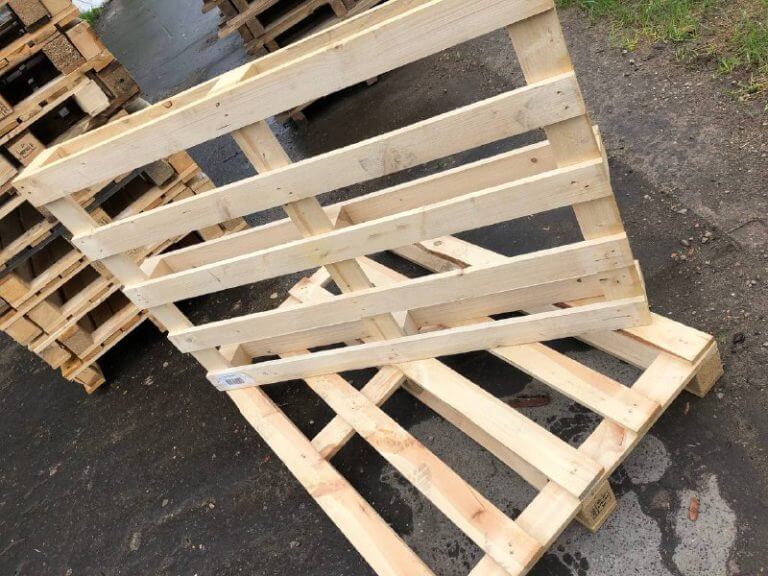
Wooden Pallets Bulk 10 Things I'd Loved To Know Earlier


Understanding the Importance of Wooden Pallets in Bulk
In today's hectic industrial landscape, wooden pallets have become a cornerstone in logistics, warehousing, and transportation. This article explores the significance of wooden pallets wholesale, their types, advantages, and best practices for their use. With the growing demand for sustainable practices in product packaging and shipping, understanding how to efficiently source wooden pallets is vital for organizations throughout various sectors.
What Are Wooden Pallets?
Before diving into bulk acquiring, it's essential to develop what wooden pallets are. Wooden pallets are flat structures made from wood that work as a base for transferring items. They are developed for simple managing through forklifts and pallet jacks, helping with the transportation of heavy loads with very little effort.
Table 1: Common Types of Wooden Pallets
| Type of Pallet | Description | Typical Uses |
|---|---|---|
| Block Pallets | Made with stringers and blocks, using stability and assistance. | Heavy-duty storage and transport. |
| Stringer Pallets | Built using three wooden stringers, simpler and lighter. | General usage in storage facilities and shipping. |
| Double-Face Pallets | Pallets with decking on both sides, improving versatility. | Ideal for glass and delicate goods. |
| Euro Pallets | Standardized pallets (1200mm x 800mm), popular in Europe. | Widely used in retail and export. |
Why Bulk Purchase Wooden Pallets?
Bulk purchasing of wooden pallets provides a number of benefits to services, including expense efficiency, accessibility, and sustainability. Understanding these benefits can help companies make informed purchasing decisions.
Benefits of Bulk Purchasing
- Cost-Effective: Buying in bulk usually features a significant discount per unit, allowing companies to save cash in the long run.
- Consistent Supply: When purchased in bulk, business can ensure they have a regular supply of pallets offered, reducing downtime in shipping and warehousing operations.
- Lowered Carbon Footprint: Sourcing wooden pallets from local suppliers assists decrease transport emissions, contributing to sustainability efforts.
- Customization Options: Bulk orders often allow for modification in terms of size, design, and treatment procedures such as heat treatment for global shipping compliance.
Table 2: Cost Analysis of Bulk vs. Individual Purchases
| Purchase Method | Cost Per Pallet | Total Cost (100 pallets) | Savings |
|---|---|---|---|
| Bulk Purchase | ₤ 10 | ₤ 1,000 | - |
| Individual Purchase | ₤ 15 | ₤ 1,500 | ₤ 500 (50% Savings) |
Best Practices for Storing and Handling Wooden Pallets
When handling wooden pallets wholesale, proper storage and handling practices are important to guarantee their durability and functionality.
- Store in a Dry Environment: Moisture can cause rot and fungal development on wooden pallets. Optimal storage conditions need to be in a dry area, away from direct sunlight and direct exposure to rain.
- Stacking: Store pallets off the ground utilizing racks to avoid wetness absorption. Guarantee they are stacked uniformly and safely to prevent collapse.
- Regular Inspections: Conduct regular evaluations for damages or signs of wear. Resolve any concerns instantly to avoid further degeneration.
- Use Proper Equipment: When handling pallets, constantly utilize the suitable machinery, such as forklifts, to prevent injury and damage to the pallets.
Regularly Asked Questions
1. How do I choose the best kind of wooden pallet for my company?
Selecting the ideal pallet type depends on the nature of the goods being transported. Heavier products may require block pallets due to their strength, while lighter products might be safely positioned on stringer pallets. Constantly assess your specific requirements and speak with providers for suggestions.
2. Are wooden pallets safe for managing food?
Yes, wooden pallets can be safe for food if they are correctly dealt with and maintained. It is vital to make use of pallets that are heat-treated (HT) or marked as safe for food handling.
3. Can wooden pallets be recycled?
Absolutely! Wooden pallets are designed for reuse. Proper cleaning, assessment, and repair can enable pallets to be repurposed multiple times, which is both cost-efficient and environmentally friendly.
4. What are the environmental impacts of using wooden pallets?
Wooden pallets are eco-friendly and can be recycled into other wood products. However, sustainable sourcing practices are vital to avoid logging. Select accredited wood pallets from suppliers who adhere to sustainable forestry practices.
5. Where can I purchase wooden pallets wholesale?
Wooden pallets can be bought from various sources, including local makers, lumber yards, and wholesalers. click here use bulk purchasing choices, providing purchasers a vast array of options.
Wooden pallets play an essential function in modern supply chains, and acquiring them wholesale offers impressive benefits. From expense savings to sustainability benefits, bulk purchasing should be an integral part of logistics preparing for any service. By understanding the types of pallets readily available, enhancing storage and handling practices, and being mindful of the ecological effect, business can efficiently use wooden pallets to enhance their operational efficiency.
By investing wisely in wooden pallets, businesses can guarantee continuous operations while contributing favorably to sustainability efforts, eventually promoting a more resistant and accountable industrial ecosystem.